
Albaloo Polo Recipe: Persian Sour Cherry Rice
Albaloo polo is Persian sour cherry rice — saffron-stained basmati layered with sour cherries that have been cooked down into a dark, tart syrup, usually served with small spiced meatballs or chicken. The single thing that decides whether it works is that the cherries are cooked separately and layered in at the end, never simmered with the rice. Do it the other way and the acid stops the grains softening and the whole pot turns a muddy pink. This guide covers the dish with dried sour cherries, which is what most cooks outside Iran actually have, and explains how it differs from the barberry rice it is constantly confused with.
What Albaloo Polo Is
Albaloo (آلبالو) is the sour or morello cherry — a different fruit from the sweet cherry, far too tart to eat raw by the handful. Polo is layered Persian rice. Put together, albaloo polo is one of the small family of Persian sweet-and-sour rices that also includes zereshk polo and shirin polo.
In Iran it is a late-spring dish, made when the sour cherry trees come in. Everywhere else it is a year-round dish, because the cherries are preserved — dried, or held in syrup, or vacuum-packed. Preserved fruit is not a compromise here. Dried sour cherries give a deeper, more concentrated flavour than fresh ones, and because they have already lost their water they hold their shape in the pot instead of collapsing.
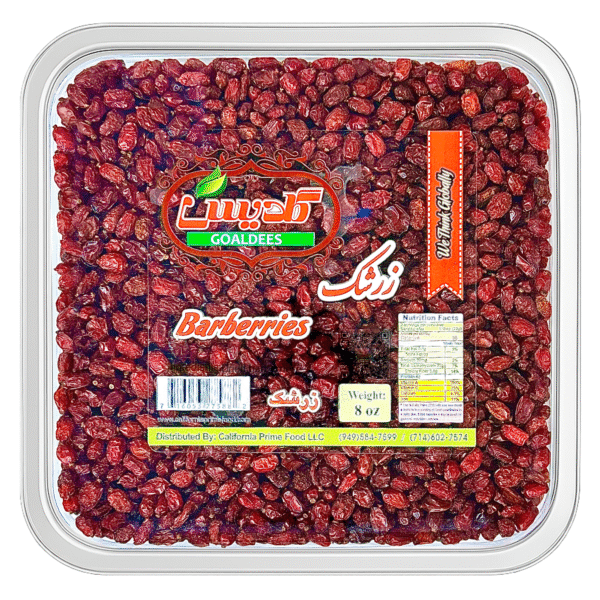
Albaloo Polo vs Zereshk Polo
These two get mixed up constantly, and they are not the same dish. Both are red, both are sweet-sour, both are served with chicken. The differences that matter:
| Albaloo polo | Zereshk polo | |
| Fruit | Sour cherries (albaloo) | Barberries (zereshk) |
| Size | Whole cherries, substantial | Tiny, seed-sized |
| Sourness | Rounded, fruity, deep | Sharp, bright, almost electric |
| Sugar needed | A fair amount — it is a syrup | A pinch, if any |
| Cooking time | Cherries simmer 10–15 min | Barberries fry under a minute |
| Colour | Deep garnet, stains the rice | Scarlet jewels on white rice |
| Occasion | Family cooking, spring | Weddings, parties, restaurant default |
The practical warning: barberries burn in seconds and cherries do not. If you have made zereshk polo before and learned to pull the pan off the heat fast, unlearn it here — the cherries genuinely need their ten minutes.
Ingredients
For the cherries
- 1½ cups dried sour cherries (about 7 oz), or 1 lb fresh/frozen pitted sour cherries
- ½–¾ cup sugar, adjusted to taste — start low
- 2 tbsp water
For the rice
- 3 cups aged basmati rice
- 3 tbsp salt, for the parboiling water
- 4 tbsp butter or ghee, plus 3 tbsp neutral oil
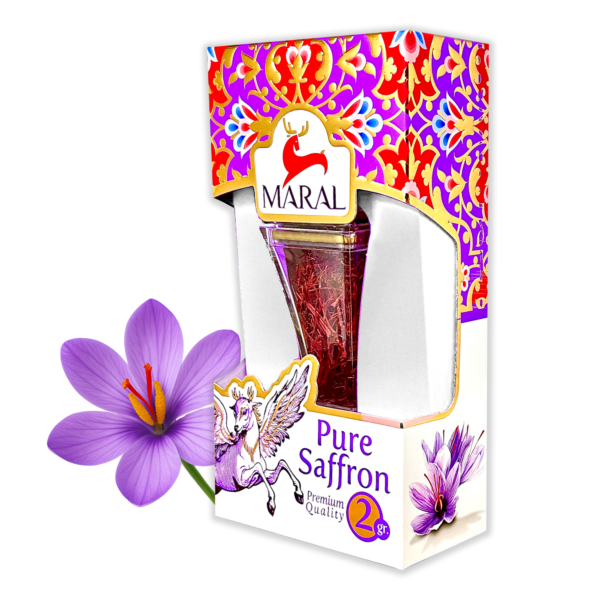
- A generous pinch of saffron, ground and bloomed in 3 tbsp hot water
- ½ tsp ground cinnamon (optional, traditional in some households)
To serve
- Slivered pistachios and slivered almonds
- Small spiced meatballs, or bone-in chicken braised with onion, turmeric and saffron
How to Make Albaloo Polo
1. Rehydrate the cherries (dried cherries only)
Cover the dried cherries with just-boiled water and leave them 20–30 minutes until plump. Keep the soaking liquid. It is deeply flavoured and it goes into the syrup. Drain the cherries and set both aside.
Skip this step with fresh or frozen cherries — they already hold their water.
2. Rinse and soak the rice
Rinse the basmati in several changes of cold water until the water runs almost clear, then soak it in salted water for at least an hour, two if you have them. This is not optional. Soaked grains elongate properly and cook evenly; unsoaked grains break.
3. Cook the cherries down
Put the drained cherries, the sugar and a few tablespoons of the reserved soaking liquid in a wide pan. Simmer gently 10–15 minutes until the liquid reduces to a thick, dark, glossy syrup that coats a spoon.
Taste it before you commit. Dried sour cherries vary enormously in how tart they are, and the only way to get the sugar right is to try it. You want a syrup that still reads as sour — sweetness is the counterweight, not the point. Strain the cherries out and keep the syrup separately; you will use both, at different moments.
4. Parboil the rice
Bring a large pot of generously salted water to a hard boil. Drain the soaked rice and tip it in. Boil 4–6 minutes, then start testing: a grain should be soft at the ends and still firm in the centre when you bite it. Drain immediately into a colander and rinse briefly with lukewarm water to stop the cooking.
Under-boil rather than over-boil. The rice finishes steaming for another 45 minutes; anything already soft now will be mush later.
5. Layer and steam
Heat the oil and half the butter in the pot. Lay in your tahdig base if you are making one — a layer of rice mixed with yogurt and saffron, or thin potato slices, or flatbread.
Then build in alternating layers: rice, a scattering of cherries, rice, cherries, finishing with a layer of plain rice on top. Mound it into a cone. Do not pour the syrup in yet.
Poke 4–5 holes down through the mound with the handle of a wooden spoon, dot over the remaining butter, wrap the lid in a clean tea towel and clamp it on. Steam on low for 45–50 minutes.
6. Finish
Lift out a cupful of the white rice, stir the bloomed saffron through it, and keep it aside for the top. Fold the rest gently, drizzle over as much cherry syrup as you like, and turn it onto a platter. Crown it with the saffron rice, the remaining cherries, and the slivered pistachios and almonds.
Why the Cherries Stay Out of the Rice Pot
This is the part most recipes state as a rule without explaining, so here is the reason.
Sour cherries are acidic. Acid firms up starch and slows the rate at which rice grains absorb water and soften — the same mechanism that makes cooks add tomatoes or lemon to a stew after the beans are tender rather than before. Simmer cherries with raw rice and you get grains that stay stubbornly hard in the middle no matter how long you steam them.
The second reason is colour. Cherry pigment is water-soluble and it bleeds. Folded through at the end it leaves streaks of garnet against white and saffron-yellow, which is the look the dish is known for. Cooked throughout from the start it turns everything a uniform, unappetising pink-grey.
What Can Go Wrong
- Rice hard in the centre. Either it was not soaked, or the cherries went in too early. Add 2–3 tbsp hot water down the steam holes and give it another 15 minutes.
- Everything turned pink. The cherries were mixed through rather than layered, or the syrup went in before steaming. It will still taste right.
- Cloyingly sweet. Too much sugar in the syrup, which is easy with dried cherries that were already sweetened. Next time taste at step 3; this time serve it with something sharp alongside.
- No tahdig. Heat too low at the start. The base needs 8–10 minutes of real heat before you drop to a steam — see the tahdig guide.
- Mushy rice. Over-boiled at the parboil stage. There is no fix after the fact; it is a timing lesson for next time.
Which Sour Cherries to Buy
Three formats work, and they behave differently:
- Dried sour cherries — the most concentrated flavour and the longest shelf life. Needs rehydrating. This is the default for cooking outside cherry season.
- Vacuum-packed sour cherries — already soft, closer to fresh, no soaking. Use a little less sugar since they are usually packed with some.
- Sour cherry paste — a cooking concentrate, not a substitute for whole fruit here. Good for a sauce, wrong for a rice you want whole cherries in.
Avoid sweet dried cherries sold as a snack. They are a different fruit and the dish will have no backbone.
Frequently Asked Questions
What is albaloo polo?
Persian sour cherry rice — layered saffron basmati with sour cherries cooked into a tart syrup, usually served with spiced meatballs or chicken. It is one of the classic sweet-and-sour Persian rices.
Can I use dried sour cherries instead of fresh?
Yes, and most cooks outside Iran do. Soak them in just-boiled water for 20–30 minutes first and keep the soaking liquid for the syrup. Dried cherries give a deeper, more concentrated flavour than fresh and hold their shape better.
What is the difference between albaloo polo and zereshk polo?
Albaloo polo uses whole sour cherries cooked into a syrup; zereshk polo uses tiny barberries fried for under a minute. Cherries are rounded and fruity and need sugar, barberries are sharp and need almost none. Albaloo polo stains the rice garnet; zereshk polo sits on it as scarlet specks.
Why did my rice stay hard?
Almost always because the cherries were cooked with the rice. Their acid slows starch from softening, so the grains never finish. Cook the cherries separately and layer them in. Not soaking the rice beforehand causes the same thing.
Do I have to make tahdig with it?
No, but it is the usual way to serve it. A plain steamed rice works fine. If you do make tahdig, give the base 8–10 minutes of real heat before dropping to a low steam.
Shop the albaloo polo ingredients
Goaldees (also searched as Goldis) carries the pantry side of this dish — dried sour cherries, saffron and slivered pistachios — shipped from California. The Persian stew guide covers what to serve alongside, and the food glossary explains the surrounding terms.
Shop the albaloo polo ingredients
The Goaldees pantry items this recipe uses — sour cherries in three formats, saffron, and the nuts that finish the platter.
-

-
Sale!

-
-
Sale!
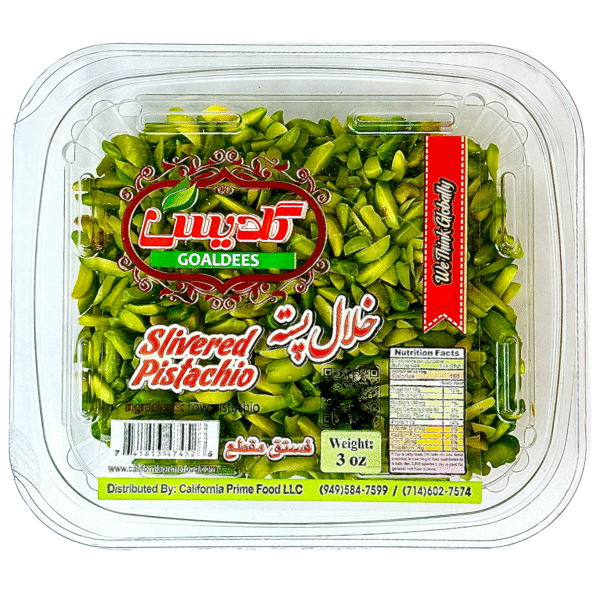
Slivered (Khalal) Pistachio 3 oz
Original price was: $12.50.$9.70Current price is: $9.70. -
Sale!

-
Sale!