

Persian Quince Jam (Moraba-ye Beh): Recipe & Why It Turns Red
Persian quince jam, moraba-ye beh (مربای به), is quince cut into chunks and slow-cooked in a covered pot with sugar, lemon and cardamom until the pale fruit turns translucent and a deep ruby red, then finished with rose water. This recipe uses 1 kg (about 4 medium) quinces, 800 g sugar, 360 ml water and ¼ cup lemon juice, cooks for about 2 hours on very low heat, and makes about four half-pint jars. Quince season runs through the autumn, roughly September to December, so now is the time to make it.
What Moraba-ye Beh Is
Quince (beh in Persian) is a hard, fragrant fruit that looks like a lumpy yellow pear and is almost never eaten raw: it is dense, dry and astringent until it is cooked. Long, gentle cooking transforms it. The flesh softens, the perfume deepens, and the color slowly shifts from cream to amber to garnet. In Iran, moraba-ye beh is one of the most loved jams, spooned onto bread with butter or feta-style cheese at breakfast and served with a glass of tea. Our guide to Persian jams (moraba) covers the other classic flavors.
Like other Persian moraba, it is not a stiff, spreadable jelly. The quince pieces stay whole and tender in a glossy syrup that thickens as it cools.
Ingredients
Makes about 4 half-pint (240 ml) jars.
- 1 kg (2.2 lb, about 4 medium) ripe quinces, yellow and fragrant
- 360 ml (1½ cups) water
- 800 g (4 cups) sugar
- 60 ml (¼ cup) fresh lemon juice, plus a little extra for the soaking water
- 6 green cardamom pods, lightly crushed
- 1 small cinnamon stick (optional)
- 2 tablespoons rose water (golab)
- Optional: a pinch of saffron, bloomed in 1 tablespoon hot water, for a deeper glow
How to Make Persian Quince Jam
- Prepare the quinces. Rub off any gray fuzz under running water. Peel the quinces, cut them into quarters, and cut out the hard core and seeds. Cut each quarter into 2 to 3 cm (1-inch) chunks or 1 cm slices. Quince browns quickly, so drop the pieces into a bowl of cold water with a squeeze of lemon as you go. A sharp, heavy knife helps: raw quince is very hard.
- Soften the fruit in water. Drain the quince, put it in a heavy, wide pot with the 360 ml water, cover and bring to a boil. Lower the heat and simmer, covered, for 15 minutes, until the pieces just start to soften at the edges.
- Add the sugar, lemon and spices. Add the sugar, lemon juice, cardamom pods and cinnamon stick if using. Stir gently until the sugar dissolves. The syrup will look thin at first; the quince releases its own juice as it cooks.
- Cook low and slow, covered. Turn the heat to the lowest setting, cover the pot and cook for 1½ to 2 hours, stirring gently every 20 minutes or so with a wooden spoon so the pieces do not stick or break. The fruit turns translucent and amber first, then gradually pink and finally ruby red. Do not rush this with higher heat: the color needs time, and a hard boil scorches the sugar and breaks up the fruit.
- Check the syrup. The jam is ready when the quince is deep red and tender all the way through and the syrup coats the back of a spoon. It should still be runny; it thickens a lot as it cools. If the syrup is very thin but the color is right, uncover the pot and simmer for another 10 to 15 minutes. If it is getting thick before the fruit has colored, add a few tablespoons of hot water and keep cooking covered.
- Add the rose water. Stir in the rose water, and the bloomed saffron if using, and cook for 10 more minutes. Both go in at the end because their aroma fades with long cooking. Remove the cardamom pods and cinnamon stick.
- Jar it. Let the jam rest for 10 minutes, then ladle it into clean, sterilized jars. Cool to room temperature, close the jars and refrigerate.
Why Quince Turns Red When You Cook It
Raw quince flesh is creamy white, yet after a couple of hours in syrup it is the color of garnet. The change comes from the fruit’s tannins. Quinces are rich in procyanidins, colorless compounds that are also what makes raw quince taste so astringent. Long heating in an acidic syrup breaks them apart and converts part of them into red, cyanidin-type pigments, the same family of pigments that colors red berries. A study on Chinese quince, a close relative of the common quince, found exactly this: a nearly colorless extract heated with fruit acid for several hours turned red as its procyanidin subunits decreased and cyanidin increased.
That is why the two things that matter most for color are time and acid. A short cook gives a golden jam; two hours gives red. The lemon juice is not only for flavor, it keeps the syrup acidic, which favors red over brown. If your jam stays amber, it usually just needs more time on low heat.
What Can Go Wrong
- The jam stayed yellow or amber. It was not cooked long enough, or the heat was too high so you had to stop early. Cook it longer, covered, on the lowest heat.
- The pieces fell apart. They were cut too small, stirred too hard, or boiled too fast. Stir gently and keep the heat low.
- The syrup turned thick and grainy. Too much water evaporated. Loosen it with a little hot water over low heat until smooth.
- The fruit is still hard. Some quinces are firmer than others. Give the first simmer in plain water a little longer before adding the sugar; fruit cooked straight in heavy syrup tends to stay firm.
- It tastes too sweet. You can cut the sugar by up to a quarter. The syrup will be thinner and the jam will keep for less time, because sugar is part of what preserves it.
How Long It Keeps
Homemade quince jam keeps for about three weeks in the fridge in a clean, closed jar, and for about six months in the freezer. Always use a clean spoon. If you want shelf-stable jars, follow a tested home-canning method rather than simply sealing hot jars.
How to Serve It
The Persian way is at breakfast: warm bread such as barbari or lavash, butter or a salty white cheese, a spoonful of moraba-ye beh and a glass of Persian tea. It is also good over plain yogurt or vanilla ice cream, next to a cheese board (quince and aged cheese is a classic pairing), or spooned between the layers of a simple sponge cake. For another jam made the same way, try our Persian carrot jam.
No Quinces? Buy It Ready-Made
Fresh quinces are only around in autumn and can be hard to find. Goaldees (also searched as Goldis) carries ready-made Persian quince jam year-round, along with fig jam, rose jam and carrot saffron jam.
Frequently Asked Questions
Why does quince jam turn red?
Long cooking in an acidic syrup converts the quince’s colorless tannins (procyanidins) into red cyanidin-type pigments. More time on low heat gives a deeper red, and lemon juice helps by keeping the syrup acidic.
Do you have to peel quinces for jam?
Most Persian recipes peel them, because the skin stays tough and slightly bitter in the finished jam. Always remove the hard core and seeds.
Can you eat quince raw?
Most quince varieties are too hard, dry and astringent to enjoy raw. Cooking softens the flesh, sweetens it and brings out its perfume, which is why quince is almost always cooked.
How long does quince jam last?
About three weeks in the fridge in a clean, closed jar, or about six months in the freezer.
What is the difference between quince jam and quince paste?
Quince jam keeps the fruit in pieces in a loose syrup. Quince paste, such as Spanish membrillo, is cooked purée reduced until it sets firm enough to slice, thanks to quince’s high natural pectin.
Sources
- Omid Roustaei, Moraba-ye Beh: Quince Jam with Rosewater, The Caspian Chef (reference for proportions, timing and storage; this recipe is our own).
- Hamauzu Y, Kume C, Yasui H, Fujita T. Reddish coloration of Chinese quince (Pseudocydonia sinensis) procyanidins during heat treatment and effect on antioxidant and antiinfluenza viral activities. Journal of Agricultural and Food Chemistry, 2007;55(4):1221-1226.
Stocking Persian jams for a café, bakery or market? Goaldees offers wholesale pricing on orders of $1,000 or more, with free delivery in Los Angeles, Orange County and San Diego.
Shop the quince jam ingredients
-

-

-
Sale!
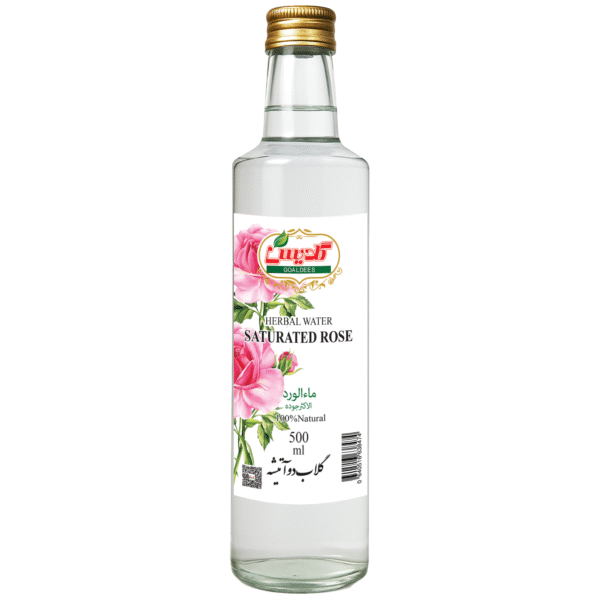
Saturated Rose Water (Golab) 500 ml
Original price was: $6.49.$4.99Current price is: $4.99. -
-

-