

Persian Carrot Jam (Moraba-ye Havij): Recipe with Cardamom & Rose Water
Persian carrot jam, moraba-ye havij (مربای هویج), is carrot matchsticks simmered in a light sugar syrup with green cardamom, finished with rose water and, if you like, a little saffron. It is not a thick, set jam like strawberry: the carrots stay as distinct, tender, translucent strands in a pourable syrup. The method below uses 500 g carrots, 400 g sugar and 600 ml water, takes about 1 hour 45 minutes, and makes about 3 cups.
What Moraba-ye Havij Is
Moraba is the Persian word for fruit (and sometimes vegetable) preserves cooked in syrup, and carrot is one of the classic flavors, alongside sour cherry, quince and fig. It is a breakfast and tea-time jam: spooned onto bread with butter or white cheese, served next to a glass of tea, or eaten straight from a small dish. Slivered pistachios or almonds on top are the usual garnish. Our guide to Persian jams (moraba) covers the other flavors.
Because the carrots are cooked whole in syrup rather than mashed, the texture is the point. Cut them thin and evenly, cook them gently, and stop while the syrup is still loose. It thickens as it cools.
Ingredients
Makes about 3 cups (enough for three small jars).
- 500 g (about 1.1 lb, 6 to 7 medium) carrots
- 400 g (2 cups) sugar
- 600 ml (2½ cups) water
- 3 tablespoons lemon juice (about 1 lemon), or bottled lime juice
- 8 green cardamom pods, lightly crushed
- A pinch of salt
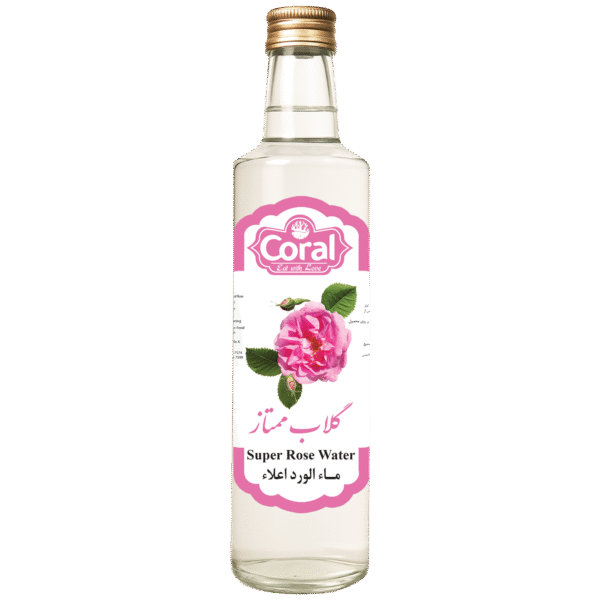
- 2 tablespoons rose water (golab)
- Optional: ¼ teaspoon ground saffron, bloomed in 2 tablespoons hot water
- To serve: slivered pistachios or slivered almonds
How to Make Persian Carrot Jam
- Cut the carrots. Peel them and cut into thin matchsticks, about 3 to 4 cm long and as thin as you can manage evenly. You can grate them on the large holes of a box grater instead: grated carrot cooks faster and gives a softer, more tangled jam, while matchsticks keep their shape.
- Simmer the carrots in water. Put the carrots, water and cardamom pods in a wide pot (tie the pods in a square of muslin if you want to lift them out easily later). Bring to a boil, then cover and simmer gently for about 15 minutes, until the carrots bend without snapping. Softening them before the sugar goes in matters: carrots added straight to a heavy syrup tend to stay firm.
- Add the sugar, lemon and salt. Stir until the sugar dissolves, then lower the heat so the pot barely bubbles. Simmer, partly covered, for 60 to 75 minutes, stirring now and then. A hard boil drives off the water too fast, darkens the syrup and can make it crystallize before the carrots are done.
- Check the syrup. The jam is ready when the carrots look glossy and translucent and the syrup lightly coats the back of a spoon. It should still run. If it has turned thick and sticky while the carrots are still firm, add a few tablespoons of hot water and keep simmering.
- Add the rose water and saffron. Stir in the rose water and the bloomed saffron, if using, and simmer for 5 minutes more. Both go in at the end because their aroma fades with long cooking. Turn off the heat and lift out the cardamom pods.
- Jar and chill. Ladle the jam into clean, sterilized jars, let it cool to room temperature, then close the jars and refrigerate. Scatter slivered pistachios or almonds on top when you serve it.
How Long It Keeps, and Why Not to Water-Bath Can It
Homemade carrot jam keeps for about three weeks in the fridge in a clean, closed jar, and for several months in the freezer. Always use a clean spoon.
Do not store it in the cupboard in home-sealed jars. Carrots are a vegetable, and the National Center for Home Food Preservation classes all fresh vegetables except most tomatoes as low-acid foods (pH above 4.6), the range in which botulism bacteria can grow in a sealed jar. Mixtures of low-acid and acid ingredients stay low-acid unless the recipe adds enough lemon juice or other acid. A splash of lemon juice for flavor, as here, is not a tested safe amount. Keep homemade jars in the fridge or freezer. Commercially made jars are a different matter: follow the storage line on the label.
Variations
- Carrot saffron jam. Use the full ¼ teaspoon of saffron for a deeper gold color and aroma. It is the more festive version, the one usually set out for guests.
- Carrot orange jam. Add thin strips of orange peel, white pith trimmed away, with the sugar. Blanch the strips in boiling water for a minute first, then drain; this takes the edge off the peel’s bitterness.
- Less sweet. You can cut the sugar by about a quarter. The syrup will be thinner and the jam will keep for less time, because sugar is part of what preserves it.
- With nuts cooked in. Stir slivered almonds into the pot with the rose water so they soften slightly in the syrup.
What Can Go Wrong
- The carrots stay hard. They were cut too thick or went into the syrup too early. Next time cut them thinner and give them the full first simmer in plain water. For this batch, add a little hot water and keep cooking gently.
- The syrup turned thick, sticky or grainy. Too much water evaporated, usually from boiling too hard. Loosen it with hot water over low heat and stir until smooth.
- The syrup is too thin. Remember it thickens as it cools. If it is still watery once cold, return it to the pot and simmer for another 10 minutes.
- The color went brown. The heat was too high, or it cooked too long. It is still edible, but the flavor turns more caramel than carrot.
How to Serve It
The traditional way is at breakfast: warm bread (barbari or lavash), butter or a salty white cheese, a spoonful of carrot jam and a glass of tea. It also works over plain yogurt, next to a cheese board, or as a filling between layers of a simple sponge cake. Carrot jam pairs especially well with Persian tea.
Not Making It From Scratch?
Goaldees carries ready-made carrot moraba in three styles: plain carrot jam (also in an 850 g jar), carrot saffron jam (also 850 g), and carrot orange jam.
Frequently Asked Questions
What is moraba-ye havij?
It is Persian carrot jam: thin strips of carrot simmered in sugar syrup with cardamom and finished with rose water, sometimes with saffron or orange peel. It is eaten with bread and tea at breakfast.
Does carrot jam taste like carrots?
Mildly. Long cooking in syrup makes the carrot sweet and soft, and the cardamom and rose water carry most of the aroma. It tastes more like a delicate floral preserve than a vegetable.
How long does homemade carrot jam last?
About three weeks in the fridge in a clean, closed jar, or several months in the freezer.
Can I water-bath can carrot jam?
Not with this recipe. Carrots are a low-acid vegetable, and this recipe’s lemon juice is for flavor, not a tested safe acid level. Keep homemade carrot jam in the fridge or freezer.
What is the difference between carrot jam and carrot saffron jam?
The base is the same. Carrot saffron jam adds saffron at the end of cooking, which gives it a deeper gold color and a stronger aroma.
Sources
- Omid Roustaei, Moraba Havij – Carrot Jam with Saffron, Cardamom, and Rose Water, The Caspian Chef (recipe reference for proportions and timing; this recipe is our own).
- National Center for Home Food Preservation, University of Georgia, Ensuring Safe Canned Foods (food acidity, pH 4.6 and low-acid foods).
Stocking moraba for a café, bakery or Persian market? Goaldees offers wholesale pricing on orders of $1,000 or more, with free delivery in Los Angeles, Orange County and San Diego.
Shop the carrot jam ingredients
-

-

-

-
-

-
Sale!
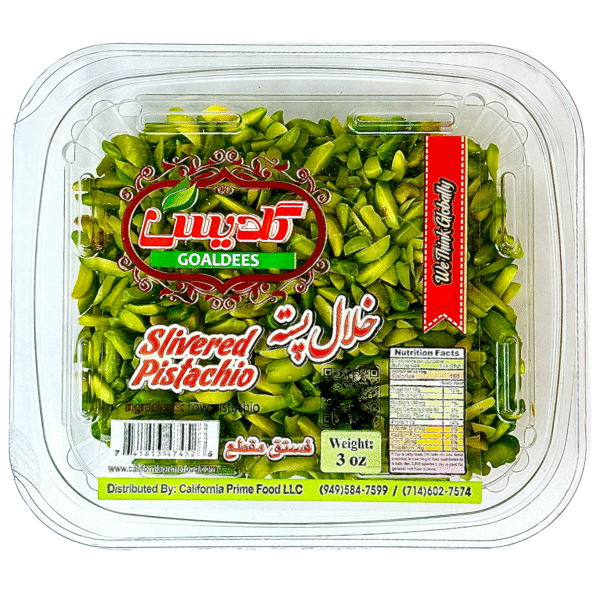
Slivered (Khalal) Pistachio 3 oz
Original price was: $13.99.$10.49Current price is: $10.49.