
How to Use Rose Water (Golab) in Persian Cooking & Baking
Rose water — golab in Persian — is distilled rose petal water used to add a delicate floral note to tea, rice, desserts, and baking. A little goes a long way: most recipes call for a teaspoon or two, not a splash. Here’s how it’s actually used in Persian cooking, plus how to tell it apart from its close cousins.
In Tea
A few drops of rose water in a cup of black tea is one of the simplest ways to try it — it adds a soft floral aroma without overpowering the tea itself. Start light; you can always add more.
In Rice Dishes
Rose water is a classic addition to saffron rice, adding a floral counterpoint to the saffron’s earthy sweetness. It’s also splashed into the syrup for rice-based desserts like sholeh zard (saffron rice pudding) during cooking, not added raw at the end.
In Desserts and Frozen Treats
Rose water shows up throughout Persian desserts — it’s a defining flavor in bastani sonnati (saffron rose ice cream) and in faloodeh (rosewater vermicelli sorbet), where it’s mixed directly into the base rather than used as a garnish.
In Baking
A teaspoon of rose water in cake or cookie batter, or brushed onto pastry, adds a subtle floral note without changing the texture — similar to how vanilla extract is used, but with a completely different flavor profile. In syrup-soaked cakes such as basbousa, the rose or orange blossom water goes into the syrup off the heat, never while it is boiling, or the aroma evaporates.
As a Welcoming Gesture
At Persian gatherings and celebrations, rose water is traditionally splashed onto guests’ hands as a fragrant welcome — a custom that predates its use in food. Shop Golab (Rose Water).
Rose Water vs. Dog Rose Water (Nastaran)
Not all rose-based aragh is the same. Classic golab comes from cultivated rose petals and has the more familiar, “rosy” floral character most people expect. Dog Rose Water (Nastaran) is distilled from wild dog rose blossoms instead, giving it a lighter, wilder floral note — worth trying if you already like golab and want to compare.
Rose Jam
If you want the rose flavor in something you eat straight rather than dilute or splash, Rose Jam captures the same floral character in a spreadable form — good on toast or stirred into plain yogurt.
Frequently Asked Questions
How much rose water should I use in a recipe?
Start small — a teaspoon or two per recipe, or a few drops for a single cup of tea. Rose water is potent, and too much can taste soapy or perfumed rather than pleasantly floral.
Is rose water the same as rose water extract?
They’re related but not identical — traditional Persian golab is a distilled herbal water (mostly water with rose aromatics), while some Western “rose extract” products are more concentrated. If a recipe calls for golab specifically, use a Persian-style rose water rather than substituting a concentrated extract at the same measurement.
What’s the difference between rose water and rose syrup?
Rose water (golab) is unsweetened and used in small amounts for flavoring; rose syrup is a sweetened, concentrated product meant to be diluted into a drink, similar to how sharbat syrups work.
How should rose water be stored?
Store it in a cool, dark place, tightly sealed. Refrigeration after opening helps preserve its fragrance for longer.
Ready to try it? Shop Golab (Rose Water), or see the full Persian Herbal Waters (Aragh) guide for more varieties.
Already cook with rose water? Bidmeshk is the natural next one to try — see the full aragh bidmeshk guide.
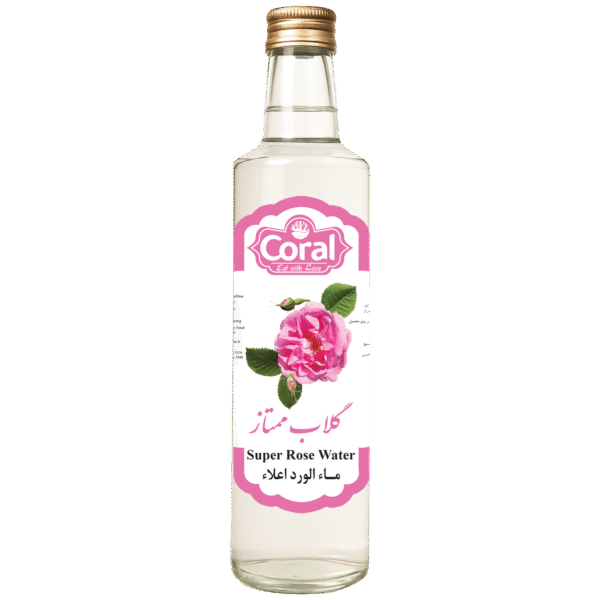
Shop rose water (golab)
The rose water and rose products from this guide — add them straight to your cart.
-
-
Sale!
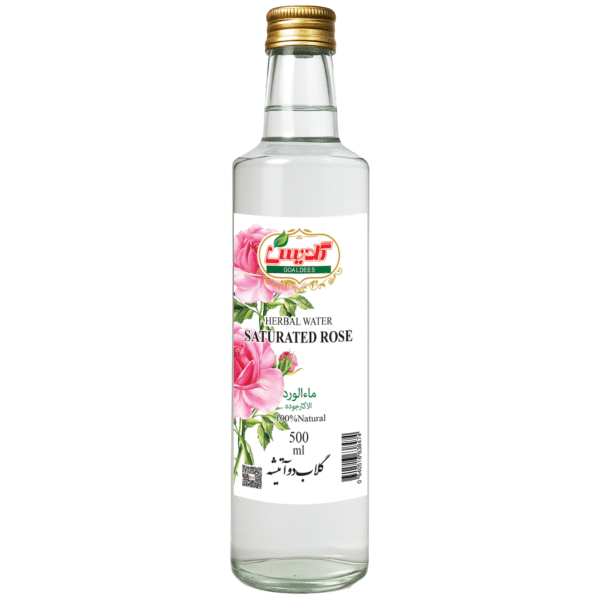
Saturated Rose Water (Golab) 500 ml
Original price was: $5.80.$4.48Current price is: $4.48. -

-