
Persian Sharbat: What It Is, How to Make It, and Six Kinds to Try
Persian sharbat is a concentrated fruit or herb syrup that you dilute with cold water into a drink. The recipe underneath every version is the same one: simmer 2 parts sugar to 1 part water into a syrup, add the flavouring off the heat so the aromatics survive, strain it completely, then pour 1 part syrup to 5 parts cold water over ice. Change only the flavouring and the same base becomes sekanjabin, sour cherry, rose, saffron or basil-seed sharbat. Below: the base recipe with real weights, the dilution ratios that differ by type, and six versions worth making.
Sharbat is not the same thing as aragh, the distilled herbal waters used more for flavouring than for drinking. Sharbat syrups are built to be diluted and sipped on their own — hot-weather refreshment rather than a cooking ingredient.
The Base Sharbat Syrup (One Recipe, Six Drinks)
Almost every English-language sharbat recipe online is a recipe for one sharbat — usually sekanjabin. That hides the useful part. Sharbat is a formula, not a dish: a saturated sugar syrup plus a flavouring plus a dilution ratio. Learn the base and you can make any of them.
Makes about 2 cups of syrup — roughly 16 glasses. Prep 10 minutes, cooking 25 minutes, plus cooling.
Ingredients
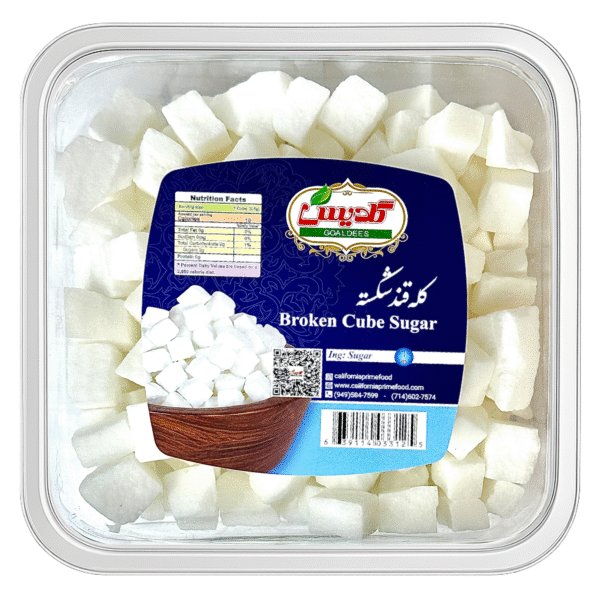
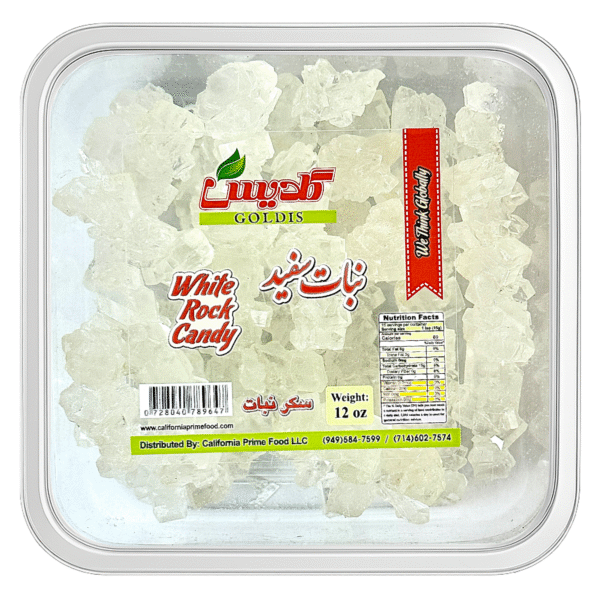
- 500 g granulated sugar, or an equal weight of cube sugar or white rock candy (nabaat)
- 250 ml water (a 2:1 ratio of sugar to water, by weight)
- Your flavouring — see the six versions below
- Optional acid: 1 to 2 tablespoons lime juice, verjuice or vinegar, depending on the version
Method
- Dissolve, then boil. Combine the sugar and water in a saucepan over low heat and stir only until the sugar has dissolved. Once it is clear, stop stirring and bring it to a boil.
- Reduce to the ribbon stage — 221 to 225°F (105 to 107°C). This takes 15 to 25 minutes depending on your pan. Use a thermometer rather than judging by eye: that temperature band is simply the point at which enough water has boiled off to land the syrup at roughly 65 to 68 degrees Brix, and that sugar concentration is the preservative. Under-reduce and the syrup ferments in the fridge; over-reduce and it crystallises in the bottle.
- Take the pan off the heat before the flavouring goes anywhere near it. This is the step most recipes get wrong. Mint’s menthol, rose water and orange blossom water, and saffron’s safranal are all volatile aromatics — they leave with the steam. Add acid at the same point, off the heat, for the same reason.
- Infuse while it cools. Cover the pan and leave it until it reaches room temperature — usually an hour or more. The infusion happens during cooling, not during boiling.
- Strain completely. Pour through a fine sieve and press the solids to get the syrup out, then discard them. Do not leave leaves or fruit in the bottle to “keep infusing”: chlorophyll and tannins carry on extracting in warm syrup and the result turns murky and bitter within a week.
- Bottle and refrigerate. A sealed, properly reduced syrup keeps for months in the fridge. Label it — four home-made sharbat syrups look identical in a row.
To serve: fill a glass with ice, add the syrup, top with cold or sparkling water, stir. Ratios below.
The Dilution Ratio Is the Whole Trick
One glass of sharbat uses very little syrup, and the right amount is not the same for every type. Acid reads stronger on the palate than sugar does, and floral aromatics read stronger still, so a vinegar or rose syrup needs more water than a fruit one. Start at the low end of these and adjust.
| Type | Syrup : water | Per 12 oz glass | Why |
|---|---|---|---|
| Base rule | 1 : 5 | 2 tbsp | The default for anything fruit-led |
| Vinegar-based (sekanjabin) | 1 : 6 to 1 : 8 | 1.5 tbsp | Acetic acid dominates long before the sugar does |
| Sour fruit (albaloo, barberry) | 1 : 4 to 1 : 5 | 2 to 3 tbsp | Fruit acid is softer, and you want the colour too |
| Floral (golab, bidmeshk) | 1 : 8 to 1 : 10 | 1 tbsp | Rose and musk willow turn soapy if overdosed |
| Saffron | 1 : 6 | 1.5 tbsp | Bitterness builds fast past a pinch |
| Seed coolers (tokhm-e sharbati, khakshir) | 1 : 5 | 2 tbsp plus 1 tsp seeds | The seeds add body, not sweetness |
Always taste it diluted, never off the spoon. Neat syrup tastes of nothing but sugar at 65 Brix, so the spoon tells you nothing about the glass. Mix a small test glass and adjust from there.
Six Persian Sharbats and How Each One Differs
| Sharbat | Farsi | Flavouring | When it goes in | Classic garnish |
|---|---|---|---|---|
| Sekanjabin | شربت سکنجبین | Vinegar and fresh mint | Both off the heat | Grated cucumber, romaine leaves |
| Albaloo | شربت آلبالو | Sour cherry juice or dried sour cherries | Simmered with the syrup | A few whole cherries |
| Golab | شربت گلاب | Rose water | Off the heat, once cool | Dried rose petals, lime |
| Zafaran (saffron) | شربت زعفران | Bloomed saffron and rose water | Off the heat | A single thread, ice |
| Tokhm-e sharbati | شربت تخم شربتی | Basil seeds, rose water, lime | Seeds hydrated separately | Mint, served with a spoon |
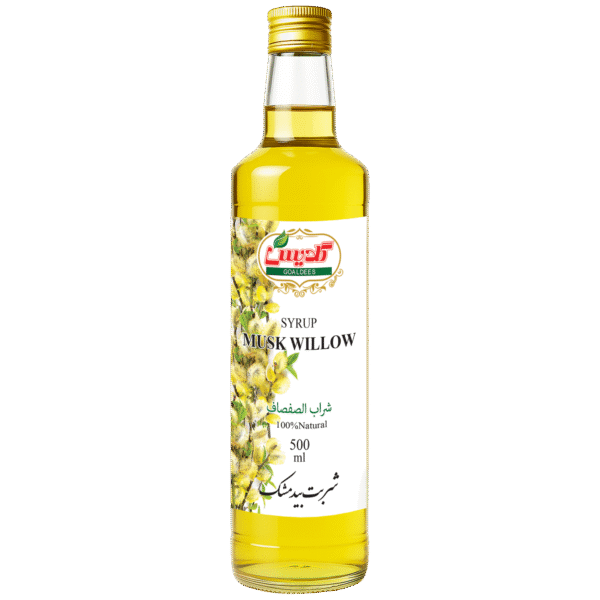
| Bidmeshk | شربت بیدمشک | Musk willow distillate | Off the heat, once cool | Ice only — it is delicate |
Sekanjabin (Mint and Vinegar)
The oldest and best known of them: a sweet-and-sour syrup of vinegar, sugar and mint, traditionally served alongside fresh herbs or poured over shredded cucumber as a light appetiser. Add 60 ml of vinegar and a large handful of mint to the base syrup off the heat, infuse while cooling, then strain. One caution: vinegar is sold at both 5% and 6% acidity and recipes never say which they were written for, which is why published quantities disagree so wildly — work by taste, diluted.
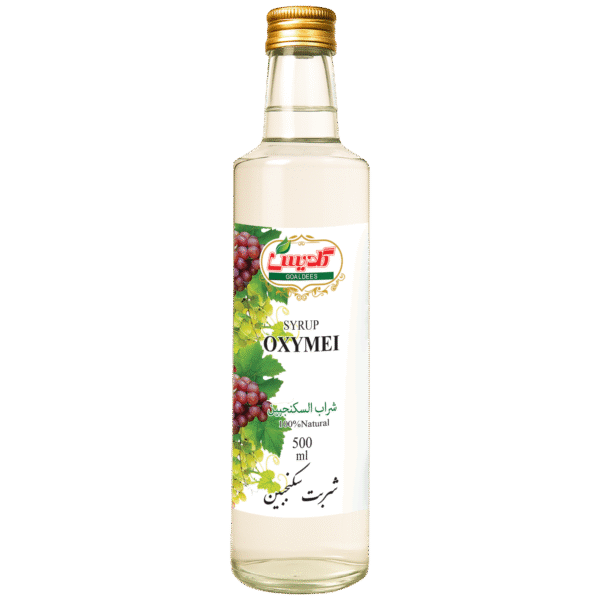
Full method, including how to judge a bottled one: see the dedicated sekanjabin recipe. Or start from Oxymel Syrup (Sekanjebin).
Sharbat-e Albaloo (Sour Cherry)
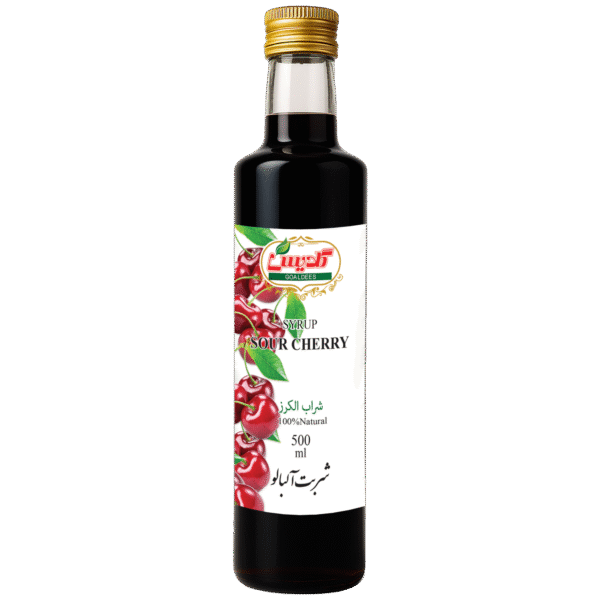
The deep red one, and the easiest sell to anyone who thinks they do not like Persian drinks. Simmer 250 g of pitted sour cherries — or 100 g of dried sour cherries, which are more concentrated and available year-round — with the sugar and water from the start, since you want the fruit acid and colour extracted and neither is volatile. Strain, pressing the fruit firmly. Unlike the aromatic versions, this one genuinely benefits from the heat. Sour cherry syrup is also the classic drizzle over faloodeh. Shortcut: Sour Cherry Syrup.
Sharbat-e Golab (Rose Water)
Make the base syrup, cool it completely, then stir in 60 to 80 ml of rose water (golab) and the juice of one lime. Rose water added to a hot pan is rose water wasted — the aroma compounds are precisely the fraction that boils off. Dilute this one hard, 1:8 or weaker; over-dosed rose reads as soap rather than flower. For everything else golab does in a Persian kitchen, see the rose water guide.
Sharbat-e Zafaran (Saffron)
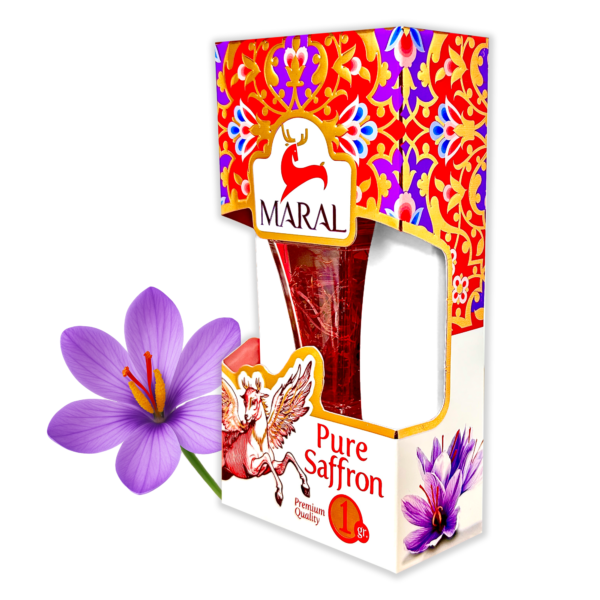
Grind a large pinch of saffron (about 0.2 g) with a single sugar cube in a mortar — the sugar acts as an abrasive that shatters the brittle stigmas instead of letting them stick to the pestle. Bloom the powder in 2 tablespoons of warm water, around 140°F (60°C), for 20 minutes. Do not use boiling water.
That temperature is not folklore. A 2024 study in Molecules measured saffron’s main compounds across infusion temperatures and times and found the crocins — the pigments that give the drink its colour — extracted best at 60°C for 20 minutes, and that their concentration fell as the temperature rose beyond that. Boiling saffron costs you the colour you paid for. Stir the bloomed saffron and a tablespoon of rose water into the cooled base syrup.
Sharbat-e Tokhm-e Sharbati (Basil Seed)
The one served with a spoon. Hydrate 1 teaspoon of basil seeds in a cup of cold water for 15 minutes separately, then add the swollen seeds to the finished glass — never to the syrup bottle. Basil seed mucilage is a genuine hydrocolloid: laboratory work published in Chemistry & Biodiversity in 2026 recorded a swelling ratio of roughly 27 times its dry mass, with water-holding on a par with xanthan or guar gum. Put dry seeds into syrup and they clump and gel it; hydrate them first and they stay suspended as distinct beads. Finish with rose water and lime.
The Persian cousin of this drink uses khakshir (flixweed) instead of basil seed — same technique, earthier flavour, traditionally drunk as a summer cooler.
Sharbat-e Bidmeshk (Musk Willow)
Floral, lightly sweet and the most delicate of the six — distilled from musk willow blossom, closer in character to the aragh than to the fruit syrups. Stir the distillate into a fully cooled base syrup and dilute 1:10. Try Musk Willow Syrup, or read the aragh bidmeshk guide for the difference between the syrup and the herbal water.
The 30-Second Version, and Why It Is Not a Compromise
A bottled sharbat syrup sits in the same 65 to 70 Brix band as the 2:1 syrup you would simmer at home. That is the reason the same 1:5 ratio works for both, and the reason the bottle is a genuine substitute rather than a lesser one: the concentration is the recipe, and it is the one variable a factory hits more consistently than a home stove does.
Where a home syrup wins is freshness of aromatics — mint infused yesterday tastes brighter than mint infused last spring. Where the bottle wins is out of season, and on the versions needing an ingredient you cannot easily buy fresh. Both are legitimate, and the technique in each version above tells you which is which.
Disclosure: Goaldees makes and distributes the syrups linked in this article, including the Goldis line sold through Persian grocers. The method sections are written to work with or without them.
Where the Word Comes From
The name explains the recipe. Sekanjebin comes from Persian serkangabin — serkeh (vinegar) plus angabin (honey or syrup) — literally “honey vinegar.” The word travelled: sirkencubin in Turkish, shikanji in India, and into European languages as oxymel. Sharbat itself made the same journey, arriving in English as sherbet and in Italian as sorbetto — which is why a word for a Persian syrup drink now names a frozen dessert in an American supermarket.
Sekanjabin is also one of the most thoroughly documented preparations in Persian pharmacy. Research published in the Journal of Ethnic Foods notes that roughly 1,200 varieties of sekanjabin are described across the classical Persian medical manuscripts — including Avicenna’s Canon of Medicine, Razi’s Ketab al-Hawi and Jorjani’s Zakhireh Kharazmshahi. Few drinks in any cuisine have that kind of written record behind them.
On health claims: oxymel has been studied in modern research, and a 2023 systematic review in Heliyon gathered the evidence — but it found only 20 interventional studies in total (12 clinical trials, 2 case studies, 6 animal studies), the great majority from a single country, with short intervention periods and heterogeneous formulations. The authors themselves call for larger studies and longer follow-up before firm conclusions can be drawn. So: a genuinely ancient remedy with a small and preliminary modern evidence base. Enjoy sharbat as a refreshing traditional drink; it is not a treatment for anything.
Why Sharbat Syrups Are Concentrated
A sharbat syrup is not simply a sweet drink sold in a small bottle — it is a preserved concentrate. The high sugar concentration lowers water activity enough that a sealed bottle keeps at room temperature without preservatives, exactly the same principle that makes moraba shelf-stable. That is why the standard serving is a couple of tablespoons rather than a glassful, and why an opened bottle belongs in the fridge.
In sekanjebin’s case the vinegar does additional work: acidity is itself a preservative, which is part of why this particular formulation survived for centuries before refrigeration existed.
Frequently Asked Questions
What is sharbat?
Sharbat is a Persian tradition of concentrated fruit or herb syrups meant to be diluted with cold water and ice into a refreshing drink.
How do you pronounce sharbat?
Shar-BAHT, with the stress on the second syllable (Persian شربت). The same word reached English as “sherbet”.
What are the ingredients of sharbat?
Four things: sugar, water, a flavouring, and often an acid. The sugar and water make the syrup base at a 2:1 ratio by weight; the flavouring is fruit, herbs, a distillate such as rose water, or saffron; the acid is vinegar, lime juice or verjuice depending on the version.
What is the recipe for sharbat?
Simmer 500 g sugar with 250 ml water to 221 to 225°F (105 to 107°C), take the pan off the heat, add your flavouring and any acid, cover and let it cool, then strain completely and bottle. To serve, mix 1 part syrup with about 5 parts cold water over ice.
How much syrup should I use per glass?
About 2 tablespoons per 12 oz glass as a starting point, which is roughly 1 part syrup to 5 parts water. Use less for vinegar and floral syrups (1:6 to 1:10) and a little more for sour fruit ones. Taste the mixed glass rather than the neat syrup.
Can I drink sharbat every day?
It is a sweet drink, so it counts toward your added sugar. The syrup in this recipe is about two-thirds sugar by weight, so the standard 2 tablespoons in a 12 oz glass carries roughly 25 to 27 g of sugar, about half of the 50 g Daily Value for added sugars on US nutrition labels. Floral and vinegar sharbats use less syrup (1 to 1½ tablespoons, roughly 13 to 20 g), and you can always dilute further.
What is the most famous Persian drink?
Among sharbats, sekanjabin — the mint and vinegar syrup — is the best known and the most written about. Across Persian drinks generally, doogh (salted yogurt soda) and Persian tea are at least as common at the table.
What is the Persian cucumber drink called?
That is sekanjabin. The syrup is mint and vinegar; the cucumber is grated fresh into the glass or the serving bowl, so the drink is often described by the cucumber rather than by the syrup.
What is the difference between sharbat and sherbet?
They are the same word. Sharbat passed into European languages as sherbet and sorbetto, but the meaning drifted: in Iran it still means a diluted syrup drink, while in the United States sherbet is a frozen dessert containing a little dairy.
What’s the difference between sharbat and aragh?
Sharbat syrups are sweetened concentrates meant to be mixed into a stand-alone drink, while aragh is an unsweetened distilled herbal water used more for flavouring dishes and drinks than drunk on its own.
Is sharbat alcoholic?
No. Sharbat is sugar syrup, a flavouring and water, with no alcohol. It has nothing to do with aragh sagi, a distilled raisin spirit; the Persian herbal waters also called aragh are non-alcoholic too.
What does sekanjebin taste like?
Sweet-and-sour from the vinegar and sugar, brightened with fresh mint — an unusual combination on paper that is genuinely refreshing once diluted.
What does the word sekanjebin mean?
It comes from the Persian serkangabin — serkeh (vinegar) and angabin (honey or syrup) — literally “honey vinegar.” The same word became oxymel in European usage, sirkencubin in Turkish and shikanji in India.
Is sekanjebin good for you?
It has a long history as a medicinal preparation — around 1,200 varieties appear in classical Persian medical texts including Avicenna’s Canon. Modern evidence is limited: a 2023 systematic review identified only 20 interventional studies, mostly small, short and from one region, and the authors called for larger and longer research. Treat sekanjebin as a traditional refreshment rather than a remedy, and speak to a healthcare professional about any health concern.
Do sharbat syrups need refrigeration?
Unopened bottles are shelf-stable — the sugar concentration lowers water activity below what microbes need, and in sekanjebin the vinegar adds acidity as a second barrier. Once opened, refrigerate. A home-made syrup should go in the fridge from the start.
Why did my home-made sharbat syrup go cloudy?
Almost always because the flavouring was left in the bottle. Herbs and fruit keep extracting chlorophyll and tannins in warm syrup, which turns it murky and bitter within a week. Strain everything out once the syrup has cooled.
Sources
- Added Sugars on the Nutrition Facts Label — US Food and Drug Administration. The 50 g Daily Value for added sugars used in the sugar-per-glass answer.
- Maulana and sekanjabin (oxymel): a ceremonial relationship with gastronomic and health perspectives — Journal of Ethnic Foods, 2022. Etymology, and the ~1,200 sekanjabin formulations recorded in classical Persian medical manuscripts.
- Oxymel: A systematic review of preclinical and clinical studies — Heliyon, 2023. Scope and limitations of the modern evidence base (20 interventional studies).
- Distribution of Main Bioactive Compounds from Saffron Species as a Function of Infusion Temperature and Time in an Oil/Water System — Molecules, 2024. Crocin extraction peaks at 60°C for 20 minutes and declines at higher temperatures — the basis for blooming saffron in warm rather than boiling water.
- Monosaccharide Composition and In Vitro Lipid-Retention Properties of Ocimum basilicum L. Seed Mucilage — Chemistry & Biodiversity, 2026. Basil seed mucilage swelling ratio of roughly 26.6-fold, with water-holding comparable to xanthan and guar gum.
- Sherbet — Encyclopaedia Britannica. The path from Persian sharbat to English sherbet and Italian sorbetto.
This article covers the history and culinary use of Persian syrup drinks. It is general information, not medical advice, and nothing here is a claim to treat, prevent or cure any condition. These syrups are high in sugar.
Serving sharbat at a café or juice bar? Our sharbat syrups and herbal waters are available at a wholesale price on orders of $1,000 or more, with free shipping in LA, Orange County and San Diego.
Shop the Sharbat Ingredients
The syrups and ingredients used in the recipes above — from Goaldees (also searched as Goldis), shipped nationwide across the US. Or browse all Persian syrups.
-
-
-
Sale!
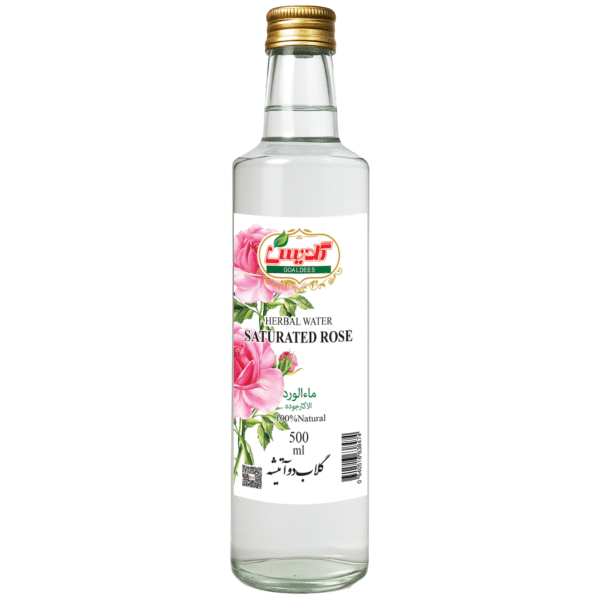
Saturated Rose Water (Golab) 500 ml
Original price was: $5.80.$4.48Current price is: $4.48. -
-
-
-

-