

Tahchin Recipe: Persian Saffron Rice Cake
Tahchin is a baked Persian rice cake, layered with saffron-yogurt rice around a chicken filling and pressed until it forms a golden, crispy crust — the same tahdig technique taken to its conclusion — think of it as a savory rice “cake” you slice and serve. It’s a showstopper dish, often made for guests or special occasions.
- Prep time: 30 minutes (plus 1-2 hours rice soaking)
- Cook time: 1 hour
- Servings: 6
Tahchin Ingredients
- 3 cups basmati rice, rinsed and soaked 1-2 hours
- 1 lb boneless chicken thighs, cooked and shredded
- 1 cup plain yogurt
- 1/4 tsp saffron threads, ground and bloomed in 3 tbsp hot water
- 2 egg yolks
- 1/4 cup oil or melted butter
- Salt to taste
- Optional garnish: dried barberries, slivered pistachio
How to Make Tahchin
- Bring a large pot of salted water to a boil. Drain the soaked rice and boil for 6-8 minutes, until tender on the outside but firm at the center. Drain and set aside.
- In a large bowl, whisk together the yogurt, egg yolks, bloomed saffron water, oil, and salt. Divide this mixture in half.
- Fold the par-boiled rice into one half of the yogurt mixture. Fold the shredded chicken into the other half.
- Oil a baking dish or nonstick pot well. Spread half the saffron rice mixture on the bottom, layer the chicken mixture on top, then cover with the remaining rice mixture, pressing down gently to compact the layers.
- Cover tightly (foil if using an oven dish) and bake at 375°F (190°C) for 45-60 minutes, or cook covered on the stovetop over low heat, until a golden crust forms on the bottom.
- Let it rest for 10 minutes, then invert onto a serving platter so the crispy crust faces up. Slice into wedges and garnish with barberries and slivered pistachio.
Get the Flavor Right
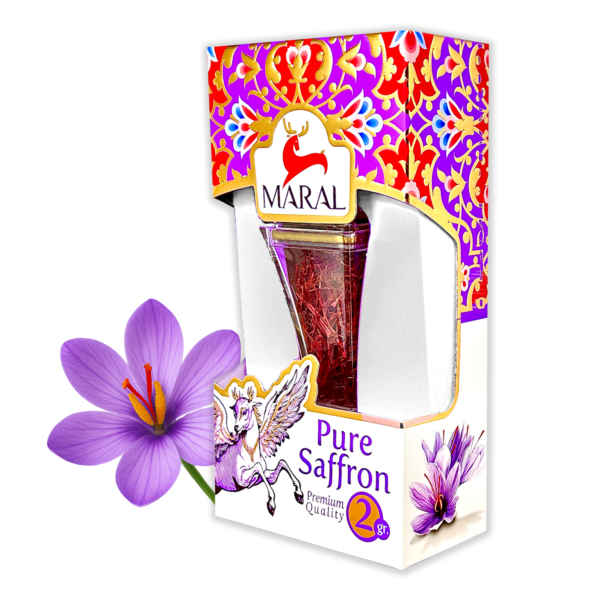
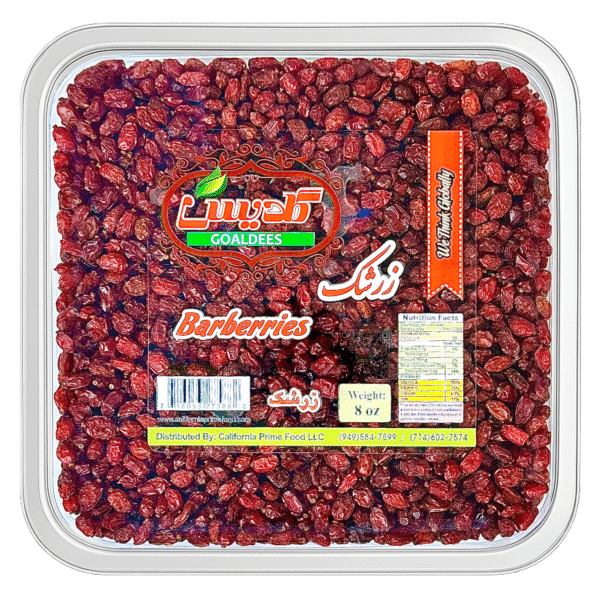
Real saffron is what gives tahchin its signature golden color and aroma — see our saffron buying guide and shop saffron. For the barberry garnish, real dried barberries add the classic tart contrast — see our zereshk polo recipe for more ways to use them.
Tips for the Best Tahchin
- Press the layers firmly — this is what helps tahchin hold together and slice cleanly once inverted.
- Don’t skip par-boiling the rice — starting with raw rice won’t cook evenly inside the dish.
- Let it rest before inverting — a few minutes of resting helps the crust release cleanly instead of sticking to the pan.
Why Tahchin Falls Apart — and How to Stop It
Tahchin is judged on one thing: whether it turns out of the pot in a single piece with an intact golden crust. Three variables decide that.
Fat in the pan, before anything else
The crust releases because of a layer of fat between rice and metal, not because of luck. Be more generous with oil or butter than feels reasonable, and make sure it coats the base and the lower sides. Many cooks line the base with parchment as insurance — it is not traditional, but it works and costs nothing.
The yogurt-egg-saffron layer is structural, not just flavour
The base mixture — yogurt, egg yolks, bloomed saffron and oil, folded through parboiled rice — is what binds the crust into a sliceable cake. Two things follow. Use thick yogurt: thin or watery yogurt gives a soggy base that will not set. And make sure the rice going into that mixture is parboiled and drained well, not fully cooked and not wet, or the layer never firms up.
Low and slow, and do not look
The crust needs sustained gentle heat over a long period — high heat browns the outside before the interior sets, which is the classic route to a cake that collapses when inverted. Resist opening the lid to check. Every look releases steam that the dish needs, and you cannot see the crust from above anyway.
Rest before inverting. Let the pot sit off the heat for several minutes before turning it out; a brief rest lets the structure firm and dramatically improves the odds of a clean release. Some cooks stand the base briefly on a damp cloth to help it let go.
Troubleshooting
- Stuck to the pot — not enough fat, or inverted while still hot. Use more fat, rest before turning out, and consider parchment on the base.
- Collapsed into loose rice — the yogurt-egg layer never set: yogurt too thin, rice too wet, or heat too high and too short.
- Pale crust — needs longer. The crust develops slowly; time matters more than temperature.
- Burnt base, soft middle — heat too high. Lower it and extend the cooking time.
- Weak saffron colour — saffron was not bloomed. Grind it and steep in a little warm water before adding.
Frequently Asked Questions
What is tahchin made of?
Tahchin is a baked rice cake made from saffron-yogurt rice layered around a chicken filling, pressed and baked until it forms a crispy golden crust.
What’s the difference between tahchin and zereshk polo?
Zereshk polo is a loose, fluffy saffron rice dish served alongside chicken, while tahchin bakes the rice, yogurt, and chicken together into one compact, sliceable cake.
Why does my tahchin fall apart when I invert it?
This usually means the layers weren’t pressed firmly enough before baking, or it needs a few more minutes to rest after cooking so the crust can set before flipping.
How do I stop tahchin sticking to the pot?
Use noticeably more fat than feels necessary, coating the base and lower sides, and let the pot rest off the heat for several minutes before inverting — turning it out while piping hot is a common cause of a torn crust. Lining the base with parchment is untraditional but reliable.
Why did my tahchin not hold together?
The yogurt-egg-saffron layer did not set. Usual causes: yogurt too thin, rice too wet or over-cooked before layering, or the heat too high for too short a time. That layer is structural — use thick yogurt, drain parboiled rice well, and cook low and slow.
Can I make tahchin without chicken?
Yes — a vegetarian version can be made with a filling of eggplant, spinach, or barberries and nuts instead of chicken, following the same layering and baking method.
Shop the Ingredients
Get authentic saffron and dried barberries from Goaldees (also searched as Goldis), shipped fresh, nationwide across the US. Shop Spices or Dried Fruits.
Want the full rundown of Persian dried fruits — raisins, prunes, mulberries, and more? See our Persian Dried Fruits Guide.
Shop the Tahchin ingredients
The Goaldees pantry items used in this Tahchin recipe — add them straight to your cart.
-
-
Sale!
-
Sale!
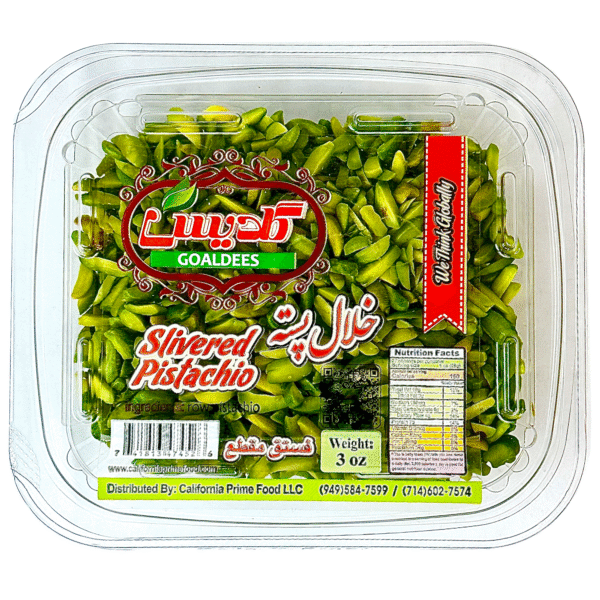
Slivered (Khalal) Pistachio 3 oz
Original price was: $12.50.$9.70Current price is: $9.70.