
Yalda Night: Persian Winter Solstice Foods & Traditions
Yalda Night (Shab-e Yalda) is one of the oldest and most beloved Persian celebrations — marking the winter solstice, the longest night of the year. Families gather until late into the night, reading poetry, telling stories, and sharing a table full of symbolic foods believed to protect against the dark and bring health through the winter ahead.
What Is Yalda Night?
Yalda falls on the winter solstice, typically December 20 or 21, and celebrates the “birth” of the sun as the days begin growing longer again. The word “Yalda” itself means “birth.” Families stay up together through the long night, often reading the poetry of Hafez, and gather around a spread of fruit, nuts, and sweets that are as much about symbolism as flavor.
Essential Yalda Night Foods
Pomegranate
Pomegranate is the single most iconic Yalda food — its red color symbolizes the dawn and the cycle of life, and its many seeds represent fertility and abundance for the year ahead. Beyond fresh pomegranate, bring the flavor into other dishes with pomegranate paste (between batches at the moment), or snack on pomegranate lavashak and pulpy pomegranate lavashak.
Watermelon
Watermelon is the other essential Yalda fruit — its red flesh echoes the pomegranate’s symbolism, and eating it on the longest night is said to protect against winter illness. Watermelon seeds are also a classic Yalda snack. Shop salted watermelon seeds or angelica watermelon seeds.
Mixed Nuts & Seeds (Ajil)
A generous bowl of ajil — mixed nuts, seeds, and dried fruit — is a Yalda table staple, snacked on throughout the long night of stories and poetry. Shop fancy mixed nuts, salted pepitas, or fancy melon seeds.
Yalda Night Traditions
- Reading Hafez — families often open a book of the poet Hafez’s verses at random for a “fal-e Hafez,” a poetic fortune for the year ahead.
- Staying up late — the whole point of Yalda is togetherness through the year’s longest night, often with grandparents sharing stories.
- The red table — pomegranate and watermelon give the Yalda spread its signature red color, symbolizing the glow of sunrise and the warmth of life through winter.
Yalda as Recognised World Heritage
Yalda was inscribed on UNESCO’s Representative List of the Intangible Cultural Heritage of Humanity in 2022, as a joint nomination by Iran and Afghanistan, under the name Yaldā/Chella.
UNESCO’s official description is unusually specific about the table, and it maps closely onto what is actually served. It describes Yalda as “a traditional celebration of the sun and the warmth of life,” observed on the last night of autumn, with families gathering at the houses of elders around a table bearing a lamp to symbolise light, water to represent cleanliness, and red fruits — pomegranates, watermelons, beetroots, jujube and grapes — to symbolise warmth, alongside broth, sweets, dried fruits and nuts prepared for the occasion.
The listed activities are equally specific: “reciting poetry and storytelling to playing games and music and giving gifts to new in-laws, brides and children.” UNESCO records the values attached to the practice as cultural identity, nature, respect for women, friendship, hospitality, cultural diversity and peaceful coexistence.
Two things worth drawing out of that description. First, the red-fruit theme is explicitly about warmth and the return of the sun, not simply seasonal availability — which is why colour matters more than the specific fruit. Second, dried fruit and nuts are named as part of the tradition in their own right, not as filler: the ajil bowl is a listed component of a UNESCO-recognised practice.
Frequently Asked Questions
When is Yalda Night?
Yalda Night falls on the winter solstice, typically December 20 or 21 — the longest night of the year.
Why is pomegranate eaten on Yalda?
Pomegranate’s red color symbolizes the glow of dawn and the cycle of life, and its many seeds represent fertility and abundance — making it the most iconic Yalda food.
What does “Yalda” mean?
Yalda means “birth” — referring to the symbolic birth of the sun as days begin growing longer after the winter solstice.
Is Yalda Night officially recognised?
Yes. Yaldā/Chella was inscribed on UNESCO’s Representative List of the Intangible Cultural Heritage of Humanity in 2022, in a joint nomination by Iran and Afghanistan.
Why are the Yalda foods red?
UNESCO’s description of the practice states that red fruits — pomegranates, watermelons, beetroots, jujube and grapes — are placed on the table to symbolise warmth, alongside a lamp for light and water for cleanliness. The colour carries the meaning: the celebration marks the sun’s return after the longest night.
What snacks are traditionally served on Yalda Night?
A mix of pomegranate, watermelon, and ajil (mixed nuts, seeds, and dried fruit) are the classic foods shared through the long night of Yalda celebrations.
Set Your Yalda Table
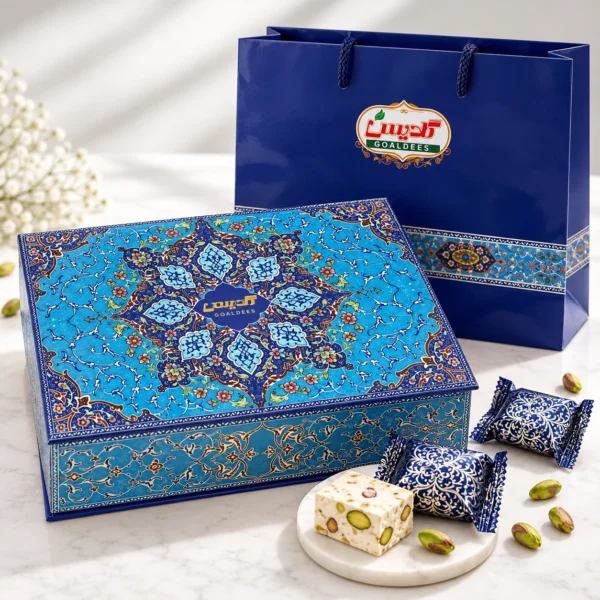
Bring the traditional colors and flavors of Yalda Night to your table with authentic pomegranate, nuts, and seeds from Goaldees (also searched as Goldis), shipped fresh, nationwide across the US. Shop Nuts and Dried Fruits.
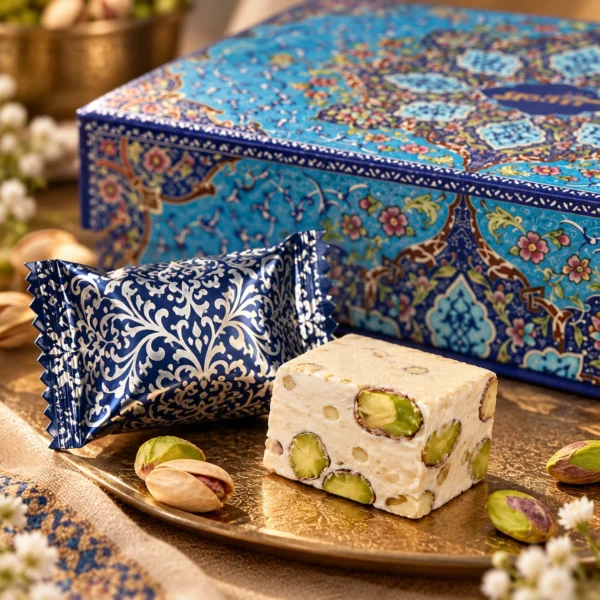
Want to round out the table with something sweet? See our Persian sweets guide.
Sources
- Yaldā/Chella — UNESCO Representative List of the Intangible Cultural Heritage of Humanity, inscribed 2022 (17.COM), Iran and Afghanistan. Official description of the practice, the symbolic table and associated activities.
Bringing something for a host? See our Persian gift guide.
Hosting a big Yalda gathering or buying for an office or community group? Once your order reaches $1,000 you pay our wholesale price, and wholesale orders in LA, Orange County and San Diego ship free.
Shop the Yalda table
The Yalda night foods from this guide — add them straight to your cart.