
Zereshk Polo Recipe: Persian Barberry Rice
Zereshk polo (barberry rice) is one of Iran’s most iconic dishes — fluffy saffron-tinted basmati rice studded with tart, ruby-red dried barberries, most often served with saffron-roasted chicken (zereshk polo ba morgh). If you are buying barberries for the first time, our zereshk buying guide covers the two grades, how to store them, and how to keep them from scorching in the pan. The tartness of the barberries against sweet saffron rice is the whole point of the dish.
- Prep time: 20 minutes (plus 1-2 hours rice soaking)
- Cook time: 1 hour
- Servings: 4-6
Zereshk Polo Ingredients
- 3 cups basmati rice, rinsed and soaked 1-2 hours
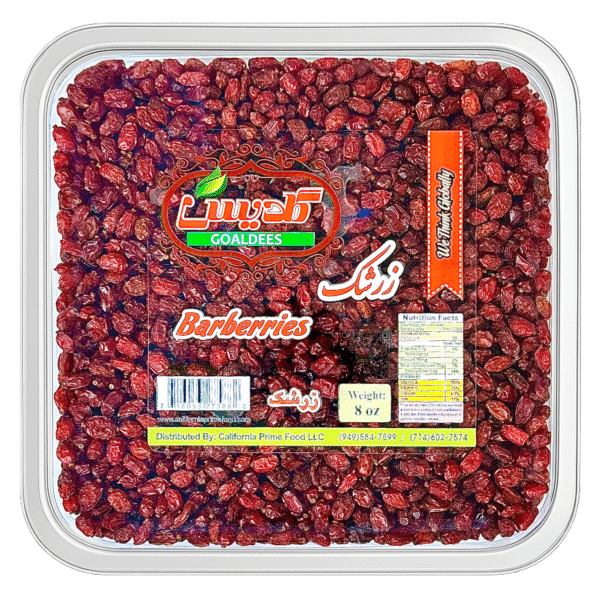
- 1/2 cup dried barberries (zereshk)
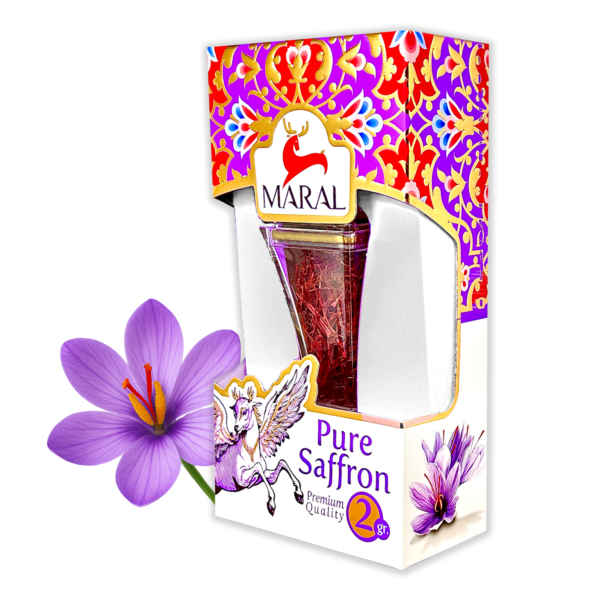
- 1/4 tsp saffron threads, bloomed in 2 tbsp hot water
- 2-3 tbsp sugar
- 4 tbsp butter or oil, divided
- Salt to taste
- Optional garnish: slivered pistachio
How to Make Zereshk Polo
- Bring a large pot of salted water to a boil. Drain the soaked rice and boil for 6-8 minutes, until the grains are tender on the outside but still firm at the center. Drain and rinse briefly with lukewarm water.
- While the rice boils, rinse the dried barberries in a few changes of cold water to remove any grit, then pick out any stems. Sauté briefly in 1 tbsp butter with the sugar over low heat for 2-3 minutes, just until glossy — don’t overcook or they turn bitter. Set aside.
- Spread a thin layer of oil or a few tablespoons of yogurt-mixed rice on the bottom of a nonstick pot to form the tahdig (crispy bottom layer), then gently layer in the par-boiled rice, mounding it into a pyramid shape. Poke a few holes through with the handle of a spoon for steam to escape.
- Drizzle the bloomed saffron water and remaining melted butter over the rice. Cover the pot lid with a clean kitchen towel (to absorb condensation), cover, and steam over low heat for 40-45 minutes, until the rice is fluffy and a golden crust forms on the bottom.
- Spoon the fluffy rice onto a serving platter, scatter the sautéed barberries over the top (reserve a spoonful of rice mixed with extra saffron water to tint some of the barberry rice a deeper gold, if desired), and garnish with slivered pistachio.
- Break up the crispy tahdig at the bottom of the pot and serve alongside — it’s the most sought-after part of the dish.
What to Serve It With
Zereshk polo is traditionally paired with saffron-roasted or braised chicken (zereshk polo ba morgh), but it works just as well alongside any roasted meat. Real dried barberries and genuine saffron make the biggest difference in the final dish — see our saffron buying guide for how to spot the real thing. A scattering of slivered pistachio on top adds color and crunch.
Tips for the Best Zereshk Polo
- Rinse the barberries well — dried barberries often carry fine grit or small stems; a few rinses in cold water fixes this.
- Don’t over-sauté the barberries — a quick 2-3 minutes with butter and sugar is enough; too long over heat and they turn bitter and hard.
- Par-boil, don’t fully cook the rice — the rice finishes cooking during the steaming step; boiling it fully beforehand results in mushy, overcooked grains.
Barberries Burn in Seconds — Everything Else Is Forgiving
Zereshk polo is a straightforward rice dish with one genuinely unforgiving step, and almost every failed version fails at the same place.
Rinse the barberries first
Dried barberries are tiny and are dried close to the ground, so they frequently carry grit. Tip them into a bowl of cold water, swish, and lift them out with your fingers rather than pouring — the sand sinks, and pouring tips it straight back over the fruit. Drain well; wet barberries spit in hot butter.
Cook them for under a minute
This is the step that matters. Barberries are small, thin-skinned and high in sugar, and they scorch almost instantly — they go from glossy and jewel-red to black and acrid in a matter of seconds. Warm them in butter over low heat with a little sugar, just until they plump and brighten, then take the pan off the heat immediately. If you are unsure, stop early: under-warmed barberries are perfectly pleasant, burnt ones ruin the dish and cannot be picked out convincingly.
The sugar is not only for sweetness — it takes the hardest edge off the barberries’ sourness, which is otherwise fairly aggressive.
Fold in at the end, or scatter on top
Add the barberries to the rice at the very end, or serve them heaped over the top. Cooked into the rice from the start they lose colour and bleed, leaving the rice pink rather than white studded with red — the visual contrast is the point of the dish.
Troubleshooting
- Barberries dark and bitter — burnt. They need under a minute on low heat; there is no recovery.
- Gritty texture — not rinsed, or rinsed by pouring rather than lifting them out of the water.
- Rice tinted pink — barberries added too early. Fold them in at the end.
- Too sour — add a little more sugar when warming them.
- Barberries hard and shrivelled — they needed a moment in the butter to plump, or the batch is old and dry.
Frequently Asked Questions
What is zereshk polo made of?
Zereshk polo is saffron-tinted basmati rice mixed with dried barberries that have been briefly sautéed in butter and sugar, typically served alongside saffron chicken.
Why are my barberries bitter?
Dried barberries turn bitter if sautéed too long over high heat. Cook them gently with butter and sugar for just 2-3 minutes, until glossy, and no longer.
What is tahdig?
Tahdig is the crispy, golden layer of rice that forms on the bottom of the pot during steaming — considered a prized part of any Persian rice dish, including zereshk polo.
How long should barberries be cooked?
Under a minute, over low heat, in butter with a little sugar — just until they plump and brighten. They are small, thin-skinned and sugary, and go from jewel-red to burnt in seconds. If in doubt, stop early.
Why is my rice pink instead of white?
The barberries were cooked into the rice rather than added at the end. They bleed colour when heated in contact with the rice, which loses the white-and-red contrast that defines the dish. Fold them in at the last moment or scatter them over the top.
Can I make zereshk polo without saffron?
You can, but saffron is what gives the rice its signature golden color and aroma — for the most authentic result, it’s worth using real saffron threads rather than skipping it or substituting turmeric.
Shop the Ingredients
Get authentic dried barberries and real saffron from Goaldees (also searched as Goldis), shipped fresh, nationwide across the US. Shop Dried Fruits or Spices.
Want to try the more elaborate “jeweled rice” version with candied orange peel and nuts? See our shirin polo recipe.
Prefer whole sour cherries to tiny barberries? Albaloo polo is the same sweet-and-sour idea with a very different fruit — the cherries simmer down into a syrup instead of frying in seconds.
Want the full rundown of Persian dried fruits — raisins, prunes, mulberries, and more? See our Persian Dried Fruits Guide.
Not sure where to start? See our Persian Pantry Essentials guide for our real, data-backed customer favorites.
Shop the Zereshk Polo ingredients
The Goaldees pantry items used in this Zereshk Polo recipe — add them straight to your cart.
-
Sale!
-
-
Sale!
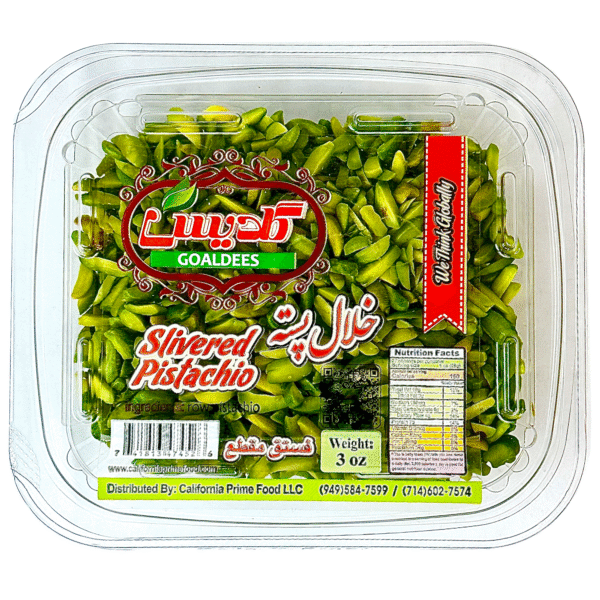
Slivered (Khalal) Pistachio 3 oz
Original price was: $12.50.$9.70Current price is: $9.70.