

Sekanjabin: The Persian Mint and Vinegar Syrup (Recipe + How to Serve It)
Sekanjabin is a Persian sweet-and-sour syrup made from sugar, vinegar and fresh mint, diluted with cold water and ice to drink, or served undiluted as a dip for crisp romaine lettuce. It is one of the oldest recorded drinks in Iran, and it takes about twenty minutes of actual work. The two steps that decide whether it tastes like the real thing both involve keeping things off the heat — which is exactly what most recipes skim over.
Below is the full method with the reasoning behind each step, the ratio problem nobody warns you about, and — because we distribute the bottled version — an honest account of when it is worth making from scratch and when it is not.
Ingredients
Makes roughly 2 cups (500 ml) of syrup, which is about 12 tall glasses.
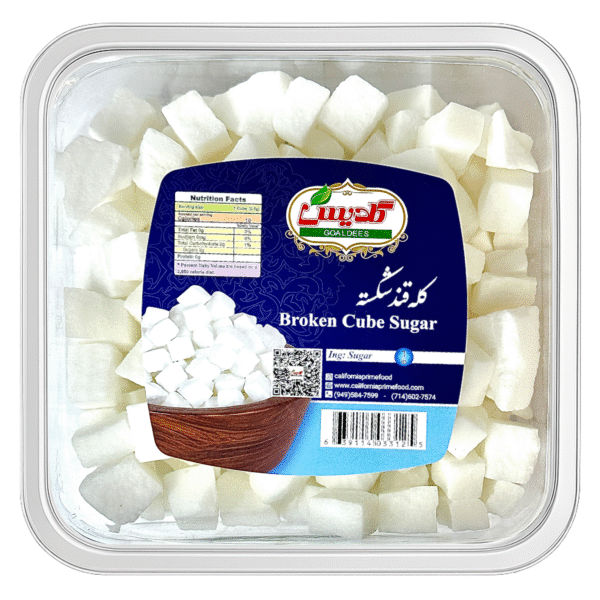
- 2 cups granulated sugar, or Persian cube sugar (about 2 cups worth), or 1⅓ cups honey
- 1 cup water
- ⅓–½ cup white vinegar (5% acidity) — see the ratio note below before you measure
- 1 large bunch fresh mint, about 1½–2 oz / 40–60 g with stems — or 3 tbsp dried Persian mint
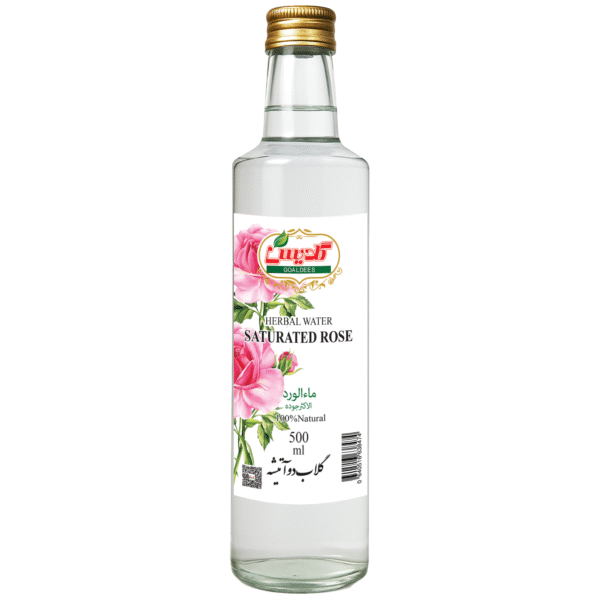
- Optional: 1 tsp rose water (golab), added at the very end
To serve: cold water, ice, and 1 Persian or Lebanese cucumber per two glasses. For the lettuce version, 2–3 heads of romaine, chilled.
How to Make Sekanjabin
- Dissolve the sugar, then reduce it. Combine the sugar and water in a saucepan over medium heat and stir only until the sugar dissolves. Bring to a simmer and hold it for 10–15 minutes, uncovered, without stirring again. You are driving off water to concentrate the syrup: it should reduce by roughly a third, run off a spoon in a thin ribbon rather than dripping like water, and read 221–225°F (105–107°C) on a thermometer. This concentration is not cosmetic — it is the preservative. A syrup left too thin will ferment or grow mould in the fridge within a few weeks.
- Take the pan off the heat. Now add the vinegar. This is the step that separates good sekanjabin from flat, oversweet syrup. Acetic acid is volatile and carries off with the steam, so vinegar simmered in the pan loses much of the sourness you added it for. You would then compensate by adding more, and end up with a syrup that is both harsh and unbalanced. Kill the heat, wait a minute for the boil to subside, then stir the vinegar in.
- Add the mint off the heat too, and steep 20–30 minutes. Wash the mint, shake it dry and push the whole bunch — stems included — under the surface. Mint’s aroma lives in volatile oils, chiefly menthol and menthone, and a rolling boil strips them out of the pan along with the steam. The residual heat of a just-boiled syrup extracts plenty without destroying them. Cover the pan and let it cool.
- Strain, and actually remove every leaf. Lift the bunch out, press it gently against the side of the pan, and pour the syrup through a fine sieve. Do not be tempted to leave a sprig in the jar for looks. Mint held in warm acid keeps giving up chlorophyll and tannins long after the flavour has transferred — the syrup turns a murky brown-green and picks up a distinct bitterness over a week or two.
- Add the rose water last, if using. Golab is even more volatile than mint. A teaspoon stirred into the cooled syrup adds a floral top note; the same teaspoon added to a hot pan is simply gone. This is optional and regional — plenty of families never use it.
- Bottle and refrigerate. Pour into a clean sealed jar or bottle. It keeps at least two to three months refrigerated, and the flavour settles and rounds out over the first week.
The Ratio Problem Most Recipes Ignore
Look up five sekanjabin recipes and you will find five different vinegar quantities, from a third of a cup to two thirds. They are not all wrong. The reason they disagree is that vinegar is sold at different strengths, and the recipes rarely say which one they were written for.
Distilled white vinegar in the US is typically 5% acetic acid. Some apple cider vinegars are 5%, others 6% — a 20% difference in the only sour ingredient in the pot. Traditional Iranian sekanjabin was made with homemade grape or wine vinegar, often weaker still and much less sharp in character. So a recipe calibrated to one bottle will be noticeably off with another.
Work by taste, not by volume. Start at ⅓ cup of 5% vinegar per 2 cups of sugar. Stir it in, let it cool for a couple of minutes, then dilute a teaspoon of syrup in a quarter cup of cold water and taste that — never the neat syrup, which reads far sweeter than the finished drink. The target is a clean sour edge that arrives just after the sweetness, not alongside it. Add vinegar a tablespoon at a time. You can always add more; you cannot take it out.
If you use apple cider vinegar, expect a fruitier, rounder result. If you use wine vinegar, expect something closer to the historical drink. Both are legitimate; neither is the version most people in Iran drink today, which is made with plain white vinegar.
How to Serve It as a Drink
Sekanjabin is a concentrate. Use 1 part syrup to 5 or 6 parts cold water — about 2 tablespoons in a tall glass — then adjust once and remember what you liked, because the right strength is personal and quite narrow.
Then grate a cucumber into the glass, on the coarse side of a box grater, skin and all. This is not garnish. The grated cucumber releases its own water and turns the drink into a loose slush, and its vegetal, faintly bitter note is what keeps a sweet-sour syrup from cloying. A Persian or Lebanese cucumber is right here; a standard waxy salad cucumber has tougher skin and less flavour. Add ice last so it does not water the drink down before it reaches the table.
For a spread of drinks alongside it, see our guide to Persian sharbat and syrup drinks, or use mint herbal water (aragh-e nana) in place of some of the plain water for a more pronounced mint finish.
Kahoo Sekanjabin — The Lettuce Version
The other traditional way to eat sekanjabin is not a drink at all. Undiluted syrup is poured into a shallow bowl and eaten by dipping cold, crisp romaine leaves into it, one at a time, usually on a hot afternoon and usually as a shared dish rather than a course.
It sounds strange written down and makes complete sense in the mouth: romaine is faintly bitter and mostly water, the syrup is sweet, sour and aromatic, and the cold crunch against the thick syrup is the whole point. Use the pale inner hearts, tear the heads into separate leaves, and chill them in cold water for half an hour before serving so they are genuinely crisp. Serve the syrup neat — diluting it here defeats the texture.
When to Skip the Pan and Buy It Bottled
Making sekanjabin is not difficult, but it does commit you to a stovetop for half an hour, a large bunch of fresh mint, and a batch of one flavour. Bottled sekanjebin syrup exists precisely because Iranian households have bought it for generations, and it is the same category of decision as buying herbal waters rather than distilling your own.
We distribute the Goldis line, so treat this as a disclosed interest rather than neutral advice — but the criteria below are the ones worth applying to any bottle, including a competitor’s:
- Read the ingredient order. US labels must list ingredients in descending order by weight (21 CFR 101.4). Sugar first, then water, then vinegar and mint is what a real syrup looks like. If water leads and vinegar appears below a flavouring or a preservative, you are buying a diluted product.
- Check for actual vinegar. Some cheap syrups reach for citric acid instead. It is sour, but it is a sharp, one-dimensional sour with none of vinegar’s depth, and the drink tastes like mint lemonade rather than sekanjabin.
- Size it against the dilution rate. A 500 ml bottle at 1:6 makes roughly 3 litres of finished drink, so compare prices per litre poured, not per bottle.
- Expect a pale amber colour, not green. Bright green means added colour. Real mint-steeped syrup is amber to light brown.
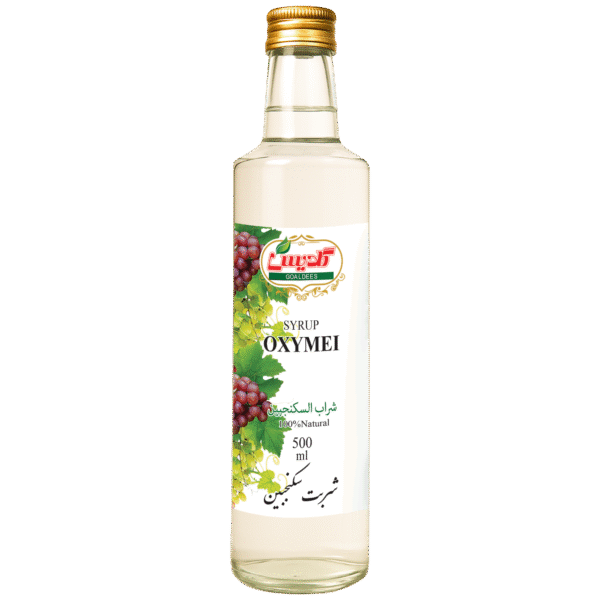
Our Oxymel Syrup (Sekanjebin) 500 ml is the bottled version of exactly this preparation — “oxymel” is simply the Greek-derived term for the same honey-or-sugar-and-vinegar syrup, so the two names on the label mean one thing. Dilute it 1:6, grate in the cucumber, and the serving instructions above apply unchanged. If you want the mint pushed further forward, the Lime & Mint Syrup is the sharper, more citrus-led sibling.
Why It Has Been Around for a Thousand Years
The name is a compound: serkeh (vinegar) and angabin (honey), which tells you the original was a honey drink — sugar is the modern substitution. Physicians of the medieval Islamic world, Avicenna among them, prescribed vinegar-and-honey preparations as cooling and digestive remedies, and the same preparation entered European medicine as oxymel.
The practical reason it survived is preservation. Before refrigeration, a herb or fruit harvest could be held through the year in two reliable ways: dry it, or lock it into sugar and acid. Sekanjabin is the second method applied to mint, and the same logic produced the whole Persian syrup and paste shelf — sharbat syrups, fruit rob, and the vinegar-preserved torshi family. Treat the health claims with the scepticism any thousand-year-old remedy deserves; treat the food-science claim as sound, because it is the reason the recipe reached us at all.
Troubleshooting
- Too sweet, no sour edge — either under-vinegared, or the vinegar went in while the pan was still simmering and boiled off. Add more off the heat, a tablespoon at a time, tasting it diluted each time.
- Harsh and vinegary — too much vinegar, or too strong a vinegar. Fix it by making a small batch of plain sugar syrup and blending the two, rather than adding sugar to the finished syrup, which will not dissolve properly cold.
- Turned brown-green and bitter after a week — mint left in the jar. Strain it out completely next time; this batch will not recover.
- Crystallised in the fridge — reduced too far, or stirred during the simmer. Warm it gently with a tablespoon or two of water until the crystals dissolve. A teaspoon of lemon juice in the next batch helps prevent it.
- Fizzy, or a smell of yeast — it is fermenting, because the syrup was too dilute. Discard it and reduce the next batch to the ribbon stage properly.
- Cloudy but tastes fine — fine mint sediment. Harmless; strain through a coffee filter if it bothers you.
- Weak mint flavour — not enough mint, or steeped too briefly. Use a genuinely large bunch; it looks like far too much before it wilts.
Frequently Asked Questions
What is sekanjabin made of?
Sugar (or honey), water, vinegar and fresh mint. The sugar and water are reduced to a syrup, then the vinegar and mint are added off the heat and the mint is strained out after steeping. Some recipes add a little rose water at the end.
What does sekanjabin taste like?
Sweet first, then a clean sour finish from the vinegar, with mint running through both. Diluted and served over ice with grated cucumber it reads as a sharper, more herbal lemonade — the vinegar is noticeable but should not be harsh.
How do you pronounce sekanjabin?
Roughly seh-kan-ja-BEEN, with the stress on the last syllable. You will also see it written sekanjebin or sekanjabeen, or under its Greek-derived equivalent, oxymel — all the same preparation.
What are the benefits of sekanjabin syrup?
Traditionally it was prescribed as a cooling drink for hot weather and as a digestive aid, and vinegar-and-honey preparations have a long medicinal history in both Persian and European medicine. Those are traditional uses rather than proven clinical effects, and it is a sugar syrup, so treat it as a refreshment rather than a health product.
How long does sekanjabin last?
Two to three months in a sealed bottle in the fridge, and the flavour improves over the first week. Its keeping quality depends on the syrup being concentrated enough — a thin, under-reduced syrup can ferment within weeks.
Can you buy sekanjabin already made?
Yes. Bottled sekanjebin syrup is a standard Iranian pantry item and is what most households actually use. Check that sugar leads the ingredient list, that real vinegar rather than citric acid provides the sourness, and that the colour is amber rather than bright green.
How much sekanjabin do you use per glass?
About 2 tablespoons of syrup to a tall glass of cold water, roughly 1 part syrup to 5 or 6 parts water. Grate in half a cucumber and add the ice last.
Building out a Persian drinks shelf? See the sharbat syrup guide, how to brew Persian tea, and how to use rose water. For something to serve alongside, gaz, noghl and nabaat are the traditional partners.
Shop the Sekanjabin ingredients
The Goaldees pantry items used in this sekanjabin recipe — the bottled syrup if you want to skip the pan, and everything you need if you do not.
-
-

-
-
Sale!
Saturated Rose Water (Golab) 500 ml
Original price was: $5.80.$4.48Current price is: $4.48. -
-
Sale!